Living in Fort Worth means dealing with hot summers, sudden rainstorms, and the occasional humid spell that lingers for days. I have spent over a decade working in moisture control and mold remediation across Tarrant County, and I can tell you that the difference between a small leak and a full-blown mold problem often comes down to timing. The moment moisture finds a way into your home, the clock starts ticking. Mold spores are everywhere, but they only colonize when conditions are right. That is why more homeowners are turning to professional mold prevention services before they ever see a stain on the ceiling.
I remember a job we took on in a older bungalow near the Cultural District. The owners had noticed a musty smell in the hallway but assumed it was just the old hardwood. By the time they called us, there was visible growth behind the baseboards and the drywall was soft to the touch. The remediation took twice as long as it would have if they had caught the moisture source early. That experience stays with me because it shows how prevention is not just about saving money. It is about protecting the structure and the people inside.
What Mold Prevention Services Actually Do
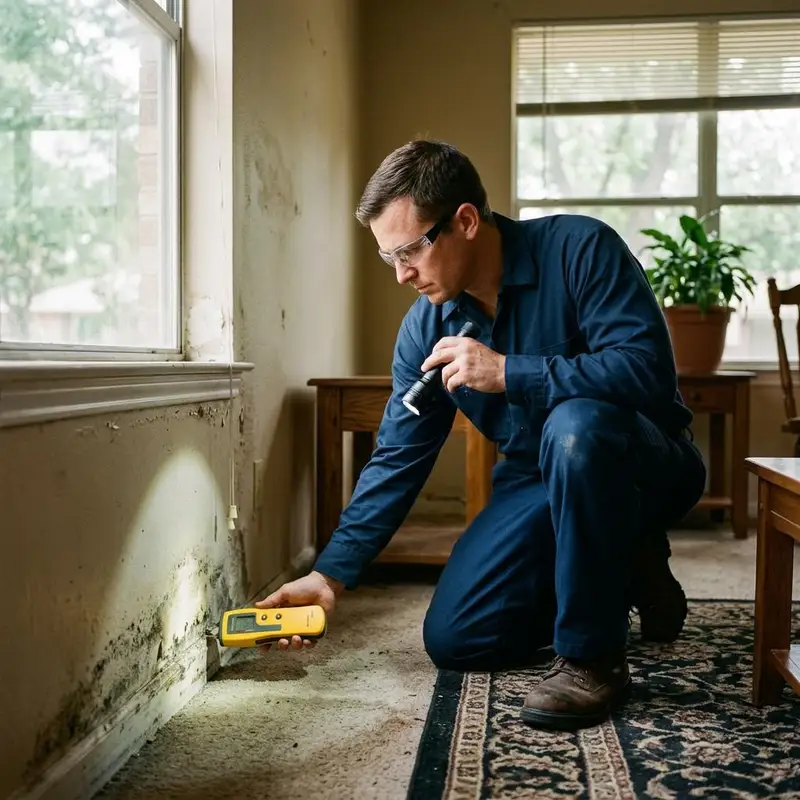
When people hear the phrase "mold prevention services," they often imagine someone spraying something on walls and leaving. The reality is more thorough. A certified mold inspector starts by checking the home for moisture sources: leaky pipes, poor ventilation, condensation around windows, and grading issues that let rainwater pool near the foundation. They may use moisture meters and thermal imaging cameras to find hidden damp spots. Then they develop a plan that addresses the root cause, not just the symptoms.
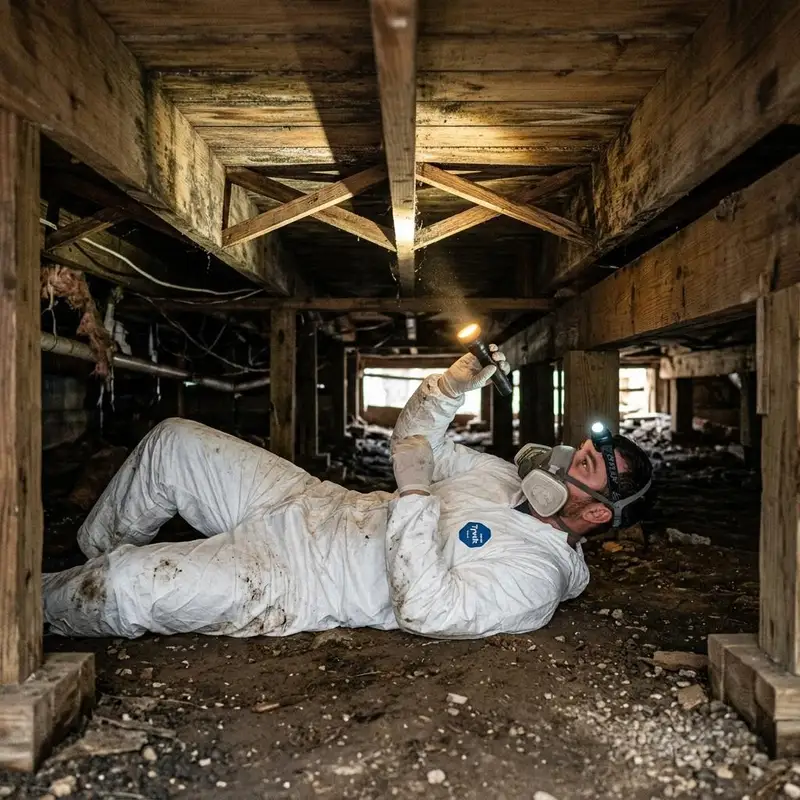
For example, a common issue in Fort Worth homes is the combination of slab foundations and high humidity. Moisture wicks up through the concrete and gets trapped under vinyl flooring or carpet. A good prevention plan might include installing a vapor barrier, running a dehumidifier in the crawl space, and sealing cracks in the foundation. These steps go beyond what a typical restoration company would do, because prevention is about stopping mold before it starts growing.
The Equipment That Makes a Difference
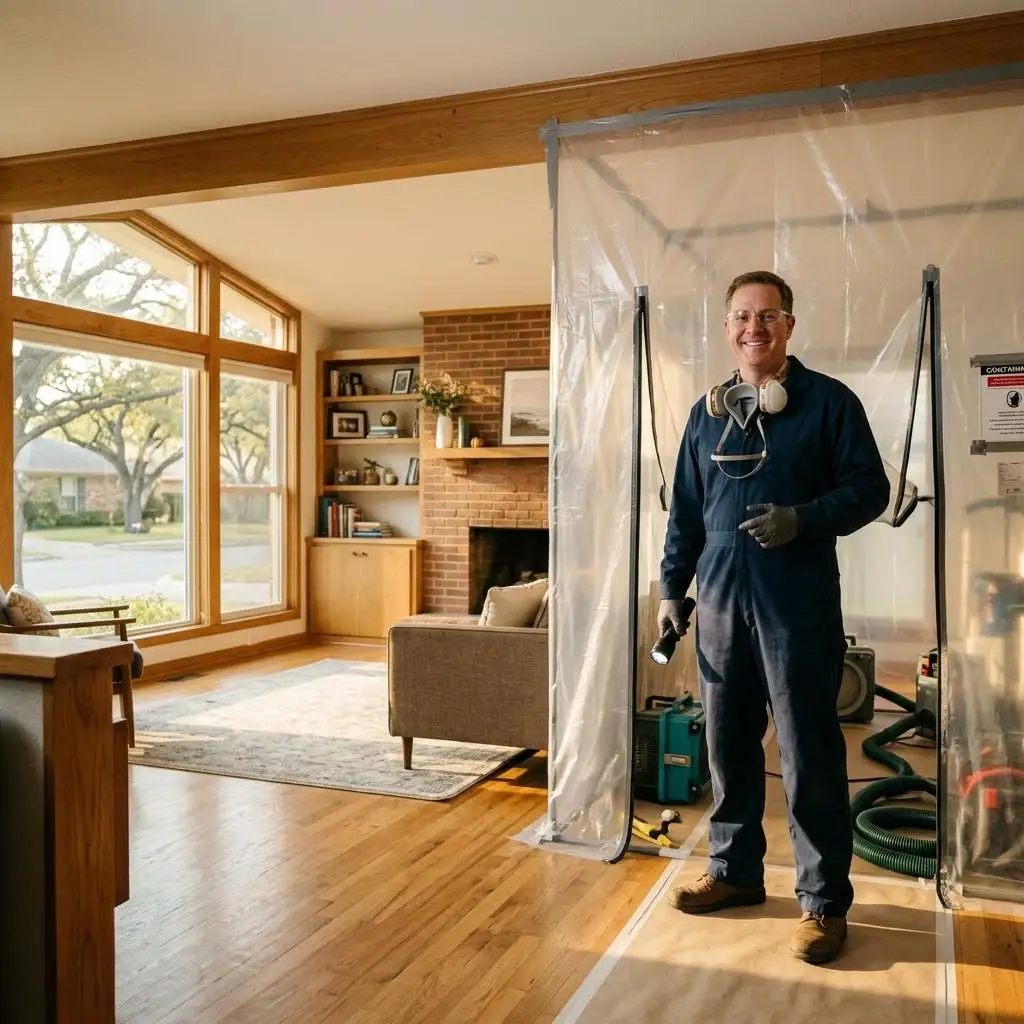
Professional mold prevention services rely on specialized tools that most homeowners do not have access to. A HEPA vacuum is standard for capturing spores from surfaces and the air. Unlike a regular shop vac, a true HEPA vacuum traps particles down to 0.3 microns, which includes most mold spores. An air scrubber with a HEPA filter can be set up in a room to continuously clean the air during and after the work. These machines are rated by their air exchange rate, and a good unit can cycle the air in a room several times per hour.
Another tool I use often is a commercial-grade dehumidifier. Not the small units you buy at the big box store, but one that can pull gallons of water out of the air each day. In a humid crawl space or basement, running one of these for a week can drop the relative humidity from 80% to below 50%, which is the threshold where mold struggles to grow. Moisture control is the single most effective long-term strategy, and it starts with understanding how water moves through your home.
Common Myths About Cleaning Mold
One myth I hear constantly is that bleach kills mold. It does, but only on non-porous surfaces like tile or glass. On drywall, wood, or carpet, bleach does not penetrate deeply enough to kill the roots. The mold may look lighter on the surface, but it grows back within weeks. This is where products like Concrobium come in. That is a cleaner that works differently. Instead of just bleaching the surface, it leaves a crystalline barrier that prevents regrowth. I have used it on dozens of jobs and it performs well when applied correctly.
Another misconception is that a mold testing kit from the hardware store gives you reliable answers. Those kits can tell you if mold is present, but they cannot tell you what species it is or how concentrated the spores are. For that you need a certified mold inspector who sends samples to a lab. The Texas Department of State Health Services provides guidelines for acceptable mold levels in indoor air quality, but interpreting those results takes experience. I have seen cases where a homeowner panicked over a positive test result that turned out to be harmless Cladosporium, which is common outdoors. Meanwhile, a hidden patch of Stachybotrys behind a wall went undetected because the test kit was placed in the wrong spot.
When to Call Professionals
Not every mold situation requires a full remediation crew. If you spot a small patch on a shower ceiling and it is less than a square foot, you can probably clean it yourself with proper precautions. Wear gloves and an N95 mask, open a window, and use a mild detergent or a product like Concrobium. Do not use bleach on porous surfaces, and never mix cleaners. But if the area is larger than that, if you suspect the mold is inside the walls or HVAC system, or if anyone in the home has a mold allergy or respiratory condition, call a professional.
Mold removal fort worth receives calls every week from people who tried to handle it themselves and ended up making it worse. Scrubbing drywall releases spores into the air, and without containment they spread to other rooms. Professional teams use negative air pressure, plastic sheeting, and air scrubbers to keep the spores contained. They also have the training to identify the source and fix it. A mold remediation company will not just clean the visible growth; they will address the leak repair, ventilation issue, or drainage problem that caused it in the first place.
The Role of Contractors and Restoration Companies
Sometimes the damage is already done, and prevention turns into restoration. A restoration company steps in when mold has compromised drywall, insulation, or flooring. They remove the affected materials, dry out the structure, and rebuild. But even during restoration, prevention is part of the plan. They install moisture-resistant materials, improve drainage, and seal the building envelope. The goal is to leave the home safer than it was before the damage occurred.
I have worked alongside restoration crews after burst pipes and flooding. In those environments, time is critical. Within 24 to 48 hours, mold can begin to colonize wet materials. That is why rapid drying with industrial fans and dehumidifiers is essential. The EPA recommends drying wet areas within that window to prevent mold growth. Following those guidelines is standard practice for any reputable company.
Protecting Commercial Properties and Workers
Mold prevention is not just for homes. Commercial buildings face the same risks, often on a larger scale. A leak in an office ceiling or a damp storage room can lead to complaints from employees and even health code violations. OSHA has standards for indoor air quality that employers must maintain. If mold becomes a problem, it can affect productivity, trigger asthma attacks, and lead to costly lawsuits. Regular mold prevention services for commercial properties include routine inspections, HVAC maintenance, and moisture monitoring.
In Fort Worth, the combination of heat and rainfall means that commercial flat roofs are especially vulnerable. Standing water on a roof can seep through seams and cause hidden leaks. A certified mold inspector can check roof drains, flashing, and sealants as part of a prevention plan. Addressing these issues early avoids the need for tented fumigation, which is a drastic measure that involves sealing the building and fogging it with antimicrobial agents. Tented fumigation is disruptive and expensive, and it is usually a sign that prevention was neglected.
Building a Long-Term Strategy
The most effective approach to mold is a combination of awareness and professional help. I tell my clients to think of it like dental care. You brush and floss every day, but you still see the dentist twice a year. Similarly, you can manage humidity with a dehumidifier, fix dripping faucets, and keep your bathroom vent fan running. But an annual mold inspection by a professional catches things you might miss: a slow leak behind the washing machine, condensation in the attic, or a crack in the foundation that lets in groundwater.
That is where ongoing mold prevention services add real value. They give you a baseline. The inspector documents the condition of your home, measures moisture levels, and provides a written report. The next year they compare the findings and see if any new issues have developed. This kind of tracking helps you stay ahead of problems and avoid the cost and hassle of remediation later.
One final point: do not overlook the importance of documentation. If you ever sell your home, having records of regular mold prevention services can reassure buyers. It shows that the property has been maintained and that the indoor air quality has been monitored. In a market like Fort Worth, where older homes are common and new construction sometimes cuts corners, that documentation is a real asset.
At the end of the day, mold prevention is about peace of mind. Knowing that your family is breathing clean air and that your home is structurally sound is worth the investment. Whether you are dealing with a musty basement or just want to stay ahead of the humidity, professional help makes the difference. The key is to act before you see the mold, because once it appears, the battle is already halfway lost.